




+44 20 7946 2814
studio@luxelensvisuals.com
Contact
EMOTION
MOTION
Light
VISUALS SHAPED BY
Creating immersive cinematic experiences through photography, editorial composition, and modern visual storytelling designed to leave a lasting impression across every frame.
+44 20 7946 2814
studio@luxelensvisuals.com
Contact
EMOTION
MOTION
Light
VISUALS SHAPED BY
Creating immersive cinematic experiences through photography, editorial composition, and modern visual storytelling designed to leave a lasting impression across every frame.

+44 20 7946 2814
studio@luxelensvisuals.com
Contact
EMOTION
MOTION
Light
VISUALS SHAPED BY
Creating immersive cinematic experiences through photography, editorial composition, and modern visual storytelling designed to leave a lasting impression across every frame.

Creating Stories Through Photography
Visual Storytelling
Emily Carter
9 min read
Storytelling, Composition, Narrative
Powerful photography is more than beautiful composition. Discover how storytelling transforms individual images into meaningful visual experiences that resonate with viewers.
The Art of Visual Storytelling
Photography is more than capturing beautiful images—it's about telling stories that connect with people. Every photograph has the power to communicate emotion, atmosphere, and meaning without a single word. While technical skills are important, memorable photographs are created when every creative decision supports a clear narrative.
Start With a Purpose
Before pressing the shutter, ask yourself what story you want the image to tell. Is it about celebration, solitude, adventure, or connection? Having a clear purpose helps guide your choices in composition, lighting, and timing.
Rather than photographing everything, focus on the moments that best represent the story you want viewers to experience.
Use Composition to Guide the Eye
Strong composition naturally leads viewers through an image. Leading lines, framing, symmetry, and negative space all help direct attention toward the subject while adding depth to the photograph.
Removing unnecessary distractions also strengthens the visual narrative, allowing the most important elements to stand out.
Capture Genuine Emotion
Authentic emotion creates lasting impact. A spontaneous laugh, a thoughtful glance, or a quiet moment often tells a stronger story than a perfectly posed portrait.
Instead of constantly directing your subjects, encourage natural movement and conversation. People tend to forget the camera when they feel comfortable, resulting in more honest and memorable photographs.
Let Light Support the Story
Light plays a major role in shaping emotion. Soft morning light creates a peaceful atmosphere, while golden hour adds warmth and romance. Dramatic shadows can introduce mystery or tension, giving photographs greater depth and character.
Learning to work with natural light helps photographers create images that feel authentic rather than overly staged.
Final Thoughts
Visual storytelling is about more than creating attractive photographs—it's about creating meaningful ones. Every decision, from composition and lighting to timing and editing, should help communicate emotion and purpose.
The photographs people remember most aren't always the sharpest or most technically perfect. They're the ones that make viewers pause, feel something, and imagine the story beyond the frame. By focusing on authenticity and intention, every photographer can transform ordinary moments into timeless visual stories.
Other stories
Continue the journal

Recommended
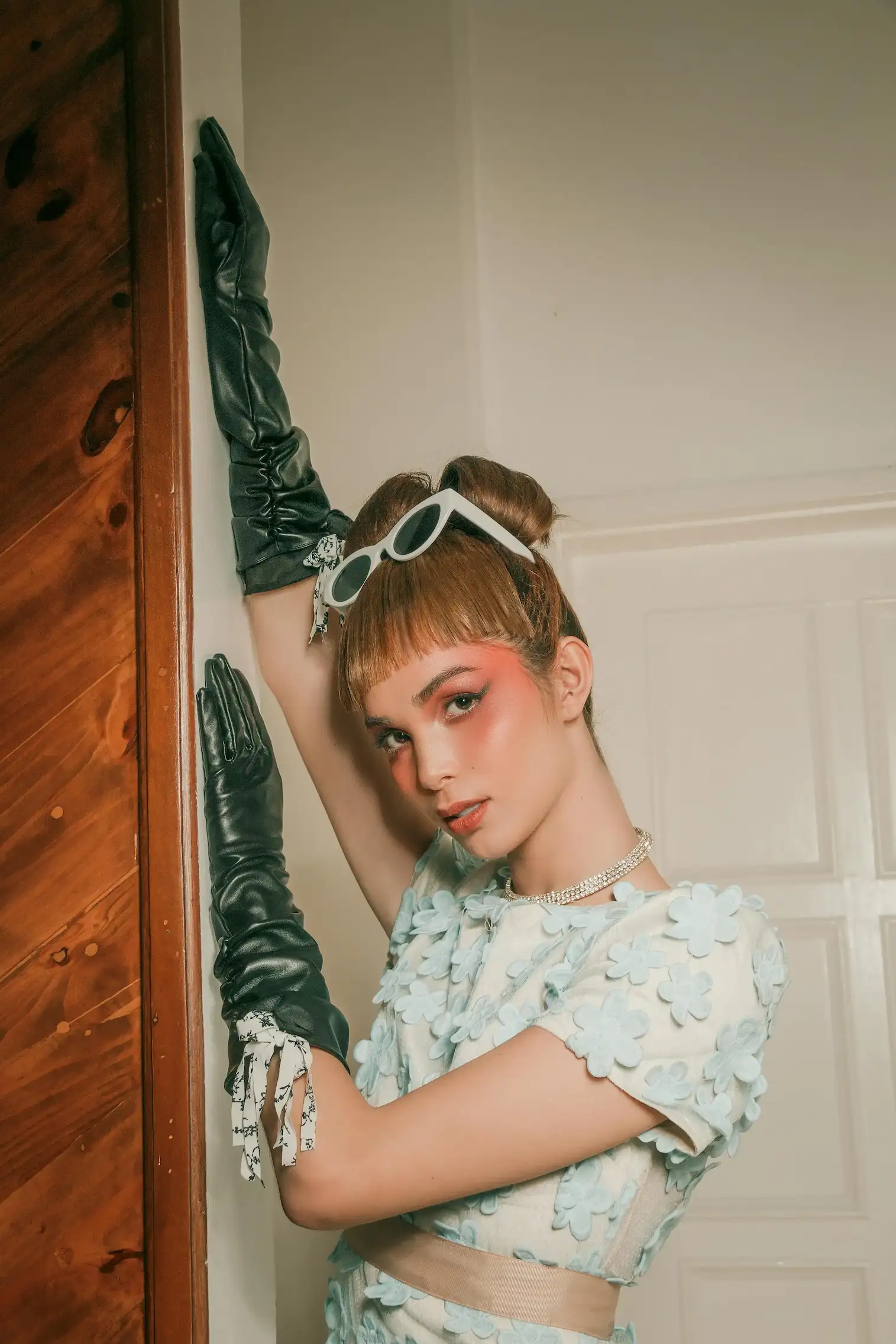
Inside an Editorial Photoshoot
Discover how thoughtful planning, creative direction, and collaboration transform an ordinary concept into a compelling editorial photoshoot.
Recommended
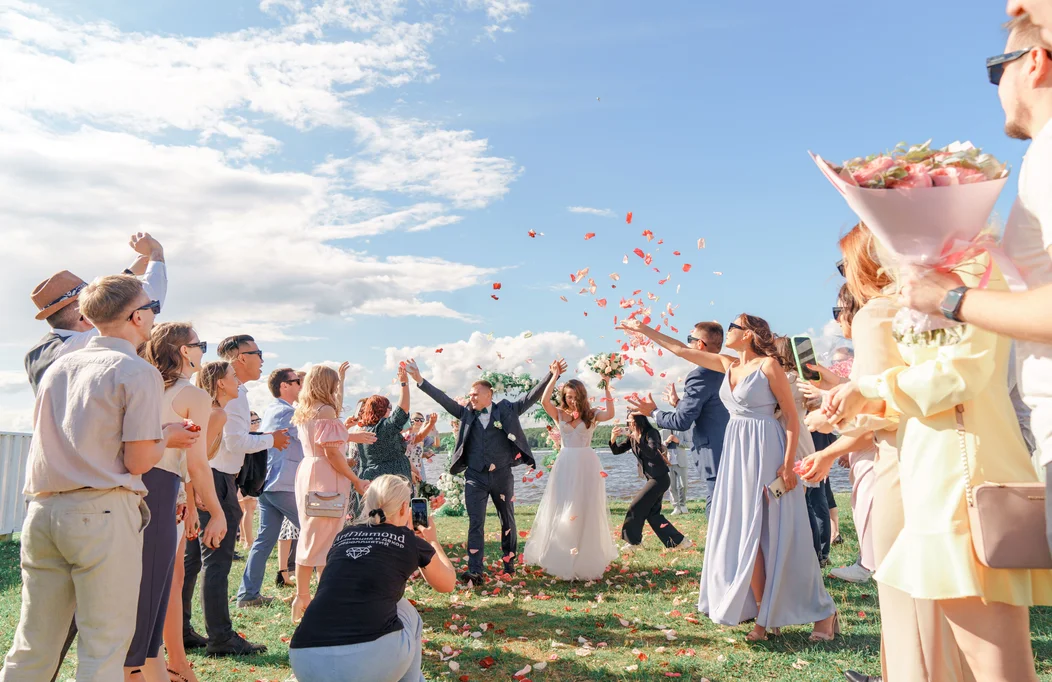
The Beauty of Candid Weddings
Learn how documentary-style photography allows genuine emotions and unforgettable moments to unfold naturally while preserving the authenticity of every wedding celebration.
Recommended
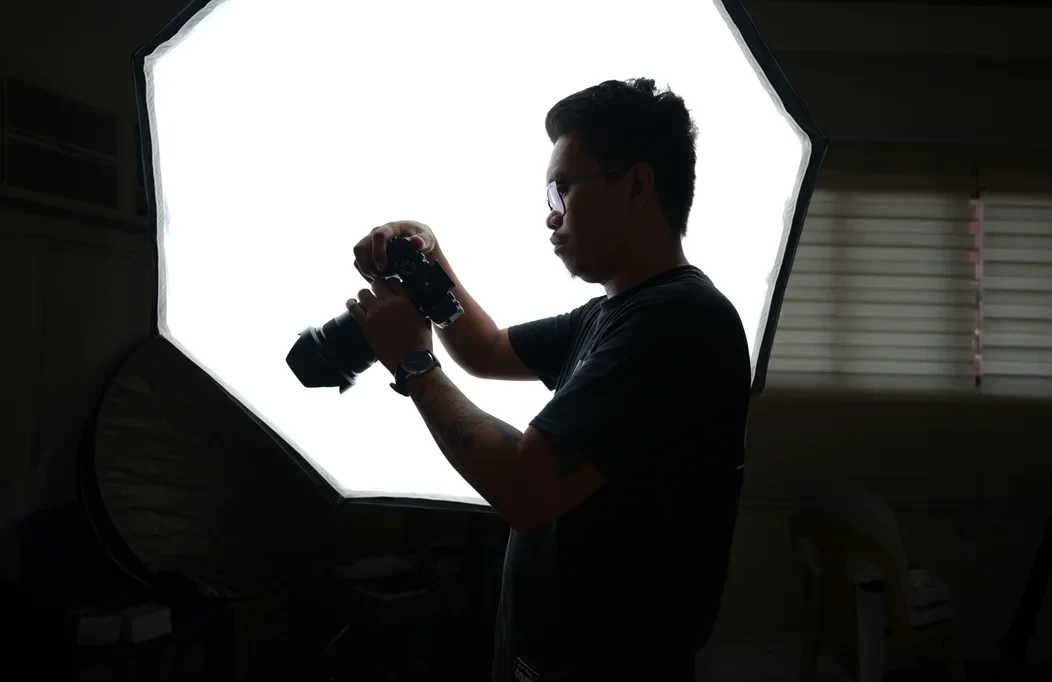
Color, Mood & Visual Emotion
Explore how color palettes, contrast, and tonal balance influence emotion, helping photographers create stronger visual narratives that leave lasting impressions.
Creating Stories Through Photography
Visual Storytelling
Emily Carter
9 min read
Storytelling, Composition, Narrative
Powerful photography is more than beautiful composition. Discover how storytelling transforms individual images into meaningful visual experiences that resonate with viewers.
The Art of Visual Storytelling
Photography is more than capturing beautiful images—it's about telling stories that connect with people. Every photograph has the power to communicate emotion, atmosphere, and meaning without a single word. While technical skills are important, memorable photographs are created when every creative decision supports a clear narrative.
Start With a Purpose
Before pressing the shutter, ask yourself what story you want the image to tell. Is it about celebration, solitude, adventure, or connection? Having a clear purpose helps guide your choices in composition, lighting, and timing.
Rather than photographing everything, focus on the moments that best represent the story you want viewers to experience.
Use Composition to Guide the Eye
Strong composition naturally leads viewers through an image. Leading lines, framing, symmetry, and negative space all help direct attention toward the subject while adding depth to the photograph.
Removing unnecessary distractions also strengthens the visual narrative, allowing the most important elements to stand out.
Capture Genuine Emotion
Authentic emotion creates lasting impact. A spontaneous laugh, a thoughtful glance, or a quiet moment often tells a stronger story than a perfectly posed portrait.
Instead of constantly directing your subjects, encourage natural movement and conversation. People tend to forget the camera when they feel comfortable, resulting in more honest and memorable photographs.
Let Light Support the Story
Light plays a major role in shaping emotion. Soft morning light creates a peaceful atmosphere, while golden hour adds warmth and romance. Dramatic shadows can introduce mystery or tension, giving photographs greater depth and character.
Learning to work with natural light helps photographers create images that feel authentic rather than overly staged.
Final Thoughts
Visual storytelling is about more than creating attractive photographs—it's about creating meaningful ones. Every decision, from composition and lighting to timing and editing, should help communicate emotion and purpose.
The photographs people remember most aren't always the sharpest or most technically perfect. They're the ones that make viewers pause, feel something, and imagine the story beyond the frame. By focusing on authenticity and intention, every photographer can transform ordinary moments into timeless visual stories.
Other stories
Continue the journal
Recommended
Inside an Editorial Photoshoot
Discover how thoughtful planning, creative direction, and collaboration transform an ordinary concept into a compelling editorial photoshoot.
Recommended
The Beauty of Candid Weddings
Learn how documentary-style photography allows genuine emotions and unforgettable moments to unfold naturally while preserving the authenticity of every wedding celebration.
Recommended
Color, Mood & Visual Emotion
Explore how color palettes, contrast, and tonal balance influence emotion, helping photographers create stronger visual narratives that leave lasting impressions.
Creating Stories Through Photography
Visual Storytelling
Emily Carter
9 min read
Storytelling, Composition, Narrative
Powerful photography is more than beautiful composition. Discover how storytelling transforms individual images into meaningful visual experiences that resonate with viewers.
The Art of Visual Storytelling
Photography is more than capturing beautiful images—it's about telling stories that connect with people. Every photograph has the power to communicate emotion, atmosphere, and meaning without a single word. While technical skills are important, memorable photographs are created when every creative decision supports a clear narrative.
Start With a Purpose
Before pressing the shutter, ask yourself what story you want the image to tell. Is it about celebration, solitude, adventure, or connection? Having a clear purpose helps guide your choices in composition, lighting, and timing.
Rather than photographing everything, focus on the moments that best represent the story you want viewers to experience.
Use Composition to Guide the Eye
Strong composition naturally leads viewers through an image. Leading lines, framing, symmetry, and negative space all help direct attention toward the subject while adding depth to the photograph.
Removing unnecessary distractions also strengthens the visual narrative, allowing the most important elements to stand out.
Capture Genuine Emotion
Authentic emotion creates lasting impact. A spontaneous laugh, a thoughtful glance, or a quiet moment often tells a stronger story than a perfectly posed portrait.
Instead of constantly directing your subjects, encourage natural movement and conversation. People tend to forget the camera when they feel comfortable, resulting in more honest and memorable photographs.
Let Light Support the Story
Light plays a major role in shaping emotion. Soft morning light creates a peaceful atmosphere, while golden hour adds warmth and romance. Dramatic shadows can introduce mystery or tension, giving photographs greater depth and character.
Learning to work with natural light helps photographers create images that feel authentic rather than overly staged.
Final Thoughts
Visual storytelling is about more than creating attractive photographs—it's about creating meaningful ones. Every decision, from composition and lighting to timing and editing, should help communicate emotion and purpose.
The photographs people remember most aren't always the sharpest or most technically perfect. They're the ones that make viewers pause, feel something, and imagine the story beyond the frame. By focusing on authenticity and intention, every photographer can transform ordinary moments into timeless visual stories.
Other stories
Continue the journal
Recommended
Inside an Editorial Photoshoot
Discover how thoughtful planning, creative direction, and collaboration transform an ordinary concept into a compelling editorial photoshoot.
Recommended
The Beauty of Candid Weddings
Learn how documentary-style photography allows genuine emotions and unforgettable moments to unfold naturally while preserving the authenticity of every wedding celebration.
Recommended
Color, Mood & Visual Emotion
Explore how color palettes, contrast, and tonal balance influence emotion, helping photographers create stronger visual narratives that leave lasting impressions.