



+44 20 7946 2814
studio@luxelensvisuals.com
Contact
EMOTION
MOTION
Light
VISUALS SHAPED BY
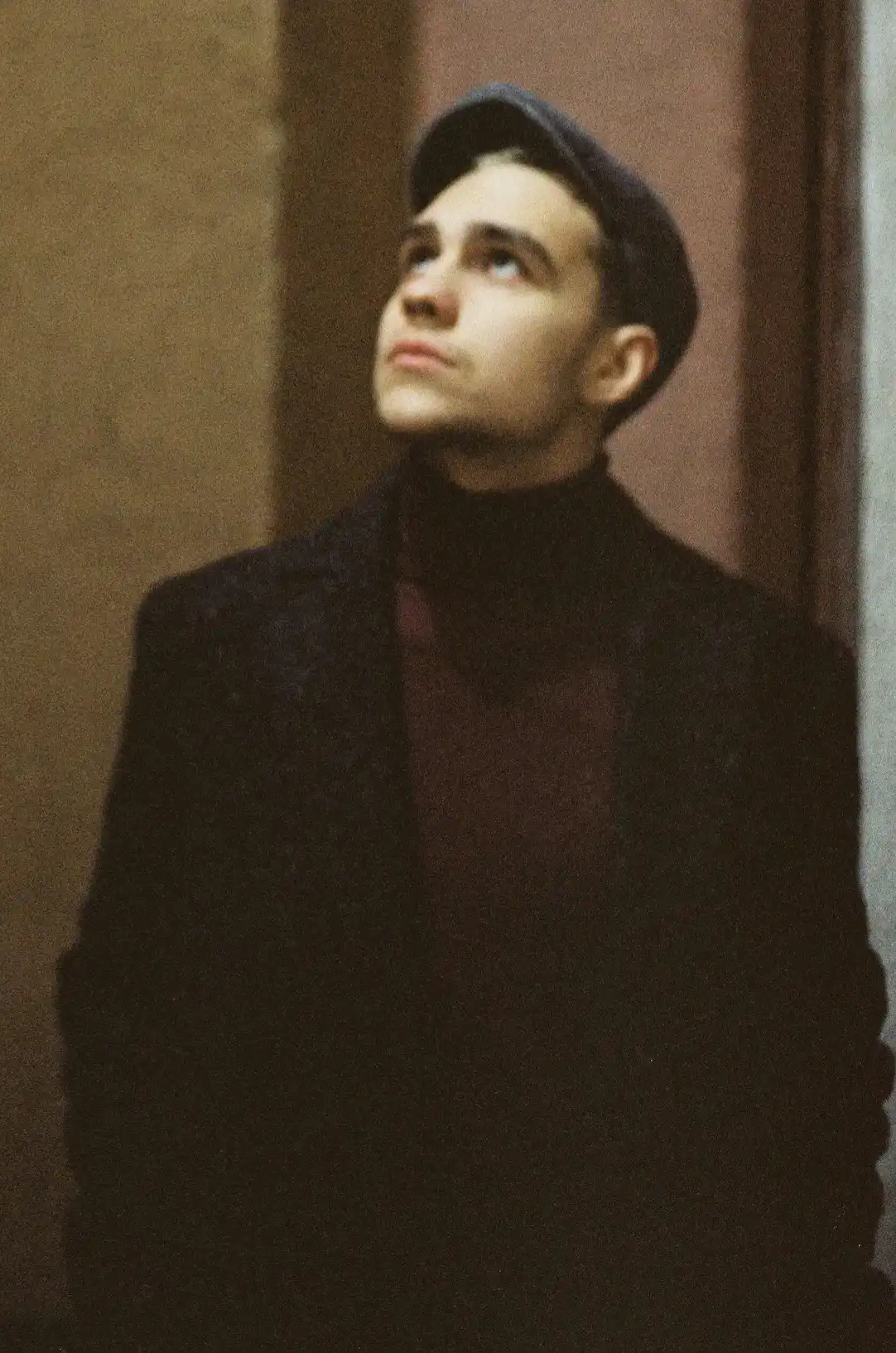
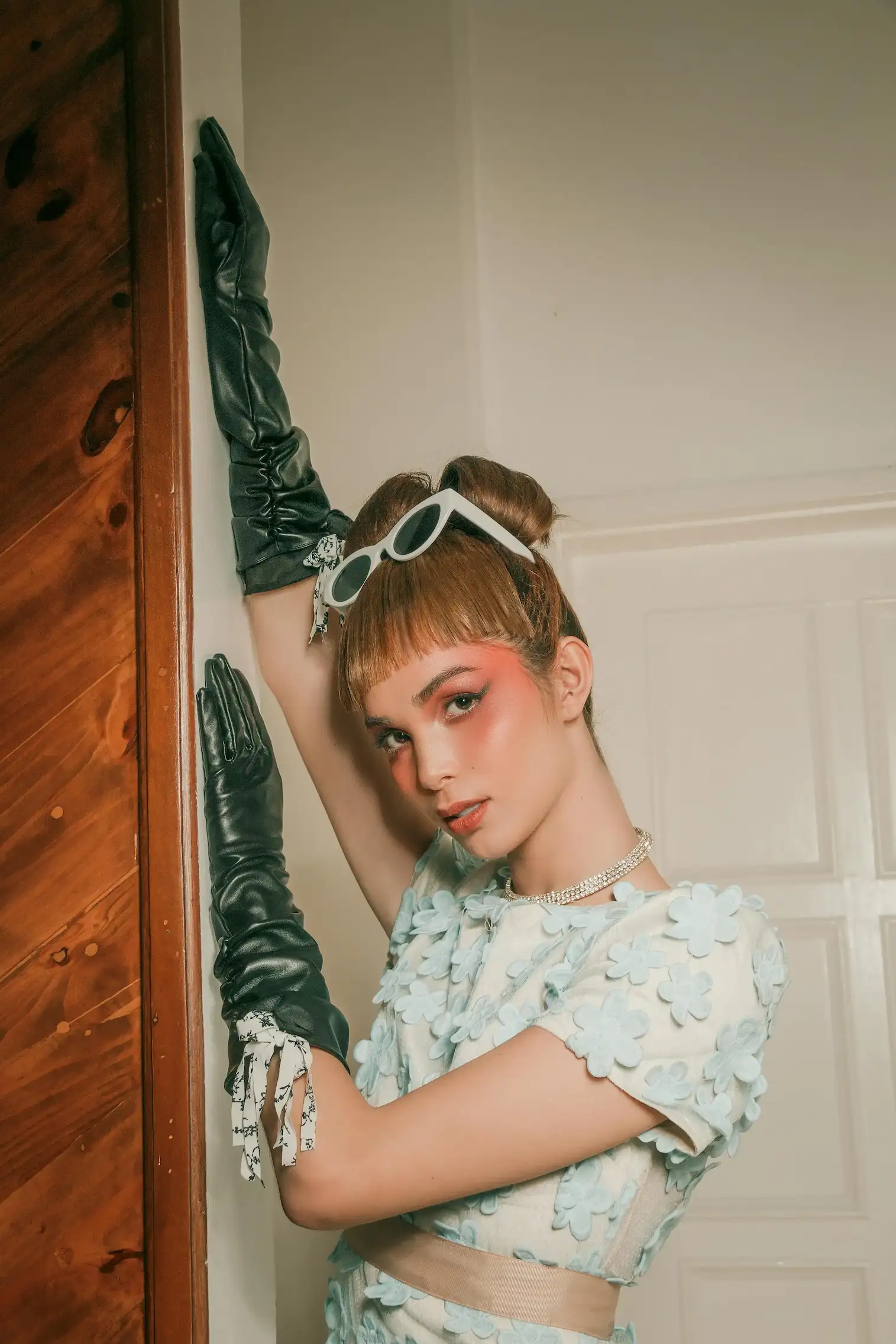
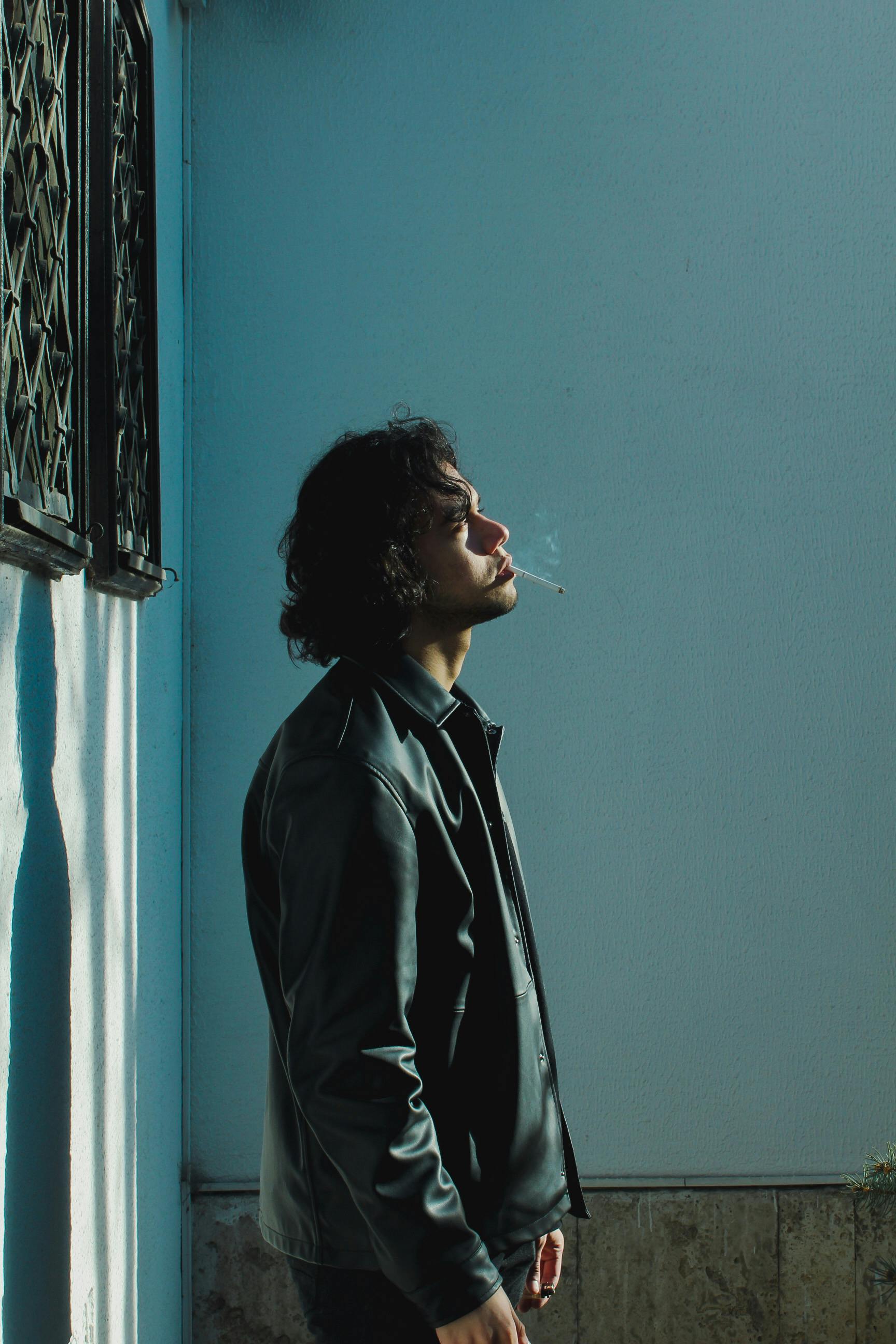
Creating immersive cinematic experiences through photography, editorial composition, and modern visual storytelling designed to leave a lasting impression across every frame.
+44 20 7946 2814
studio@luxelensvisuals.com
Contact
EMOTION
MOTION
Light
VISUALS SHAPED BY
Creating immersive cinematic experiences through photography, editorial composition, and modern visual storytelling designed to leave a lasting impression across every frame.

+44 20 7946 2814
studio@luxelensvisuals.com
Contact
EMOTION
MOTION
Light
VISUALS SHAPED BY
Creating immersive cinematic experiences through photography, editorial composition, and modern visual storytelling designed to leave a lasting impression across every frame.

Inside an Editorial Photoshoot
Editorial Photography
Emily Carter
7 min read
Editorial, Planning, Creative Direction
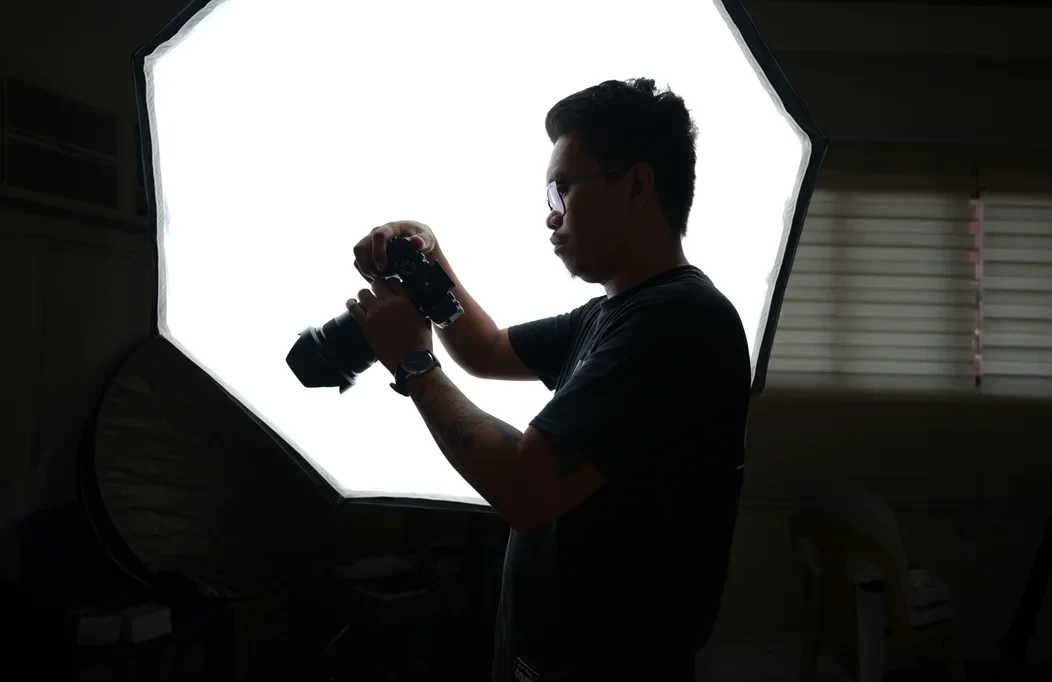
Discover how thoughtful planning, creative direction, and collaboration transform an ordinary concept into a compelling editorial photoshoot.
Behind the Lens: Planning the Perfect Shoot
Great editorial photos don’t happen by accident. They’re the result of clear vision, thoughtful planning, and teamwork. Before picking up the camera, define your purpose: Are you telling a fashion story, building a brand, showcasing a product, or creating a portrait? Every decision—from location and wardrobe to lighting—should serve this goal and narrative.
Mood boards help everyone align on the creative direction, but even with a plan, leave room for spontaneous moments. Sometimes the best images come from unplanned opportunities.
Location & Styling
Location shapes mood as much as your subject. A forest, city rooftop, or industrial warehouse each creates a different atmosphere. Consider natural light, accessibility, weather, and background distractions. If possible, scout locations ahead of time to find the best angles and lighting.
Wardrobe, makeup, and colors should fit the concept and not distract from your story. Consistency in styling makes images feel intentional. Communicate with your team so everyone works toward the same vision—even with limited resources, careful choices create a polished look.
Light & Equipment
Light is your most important tool. Morning is soft, midday harsh, golden hour warm, and cloudy days give beautiful diffusion for portraits. Work with available light instead of fighting it.
Preparation prevents headaches. Double-check batteries, memory cards, lenses, and backups before you go. Technical problems can ruin creativity if you’re not ready.
Working With Clients
A relaxed, confident client leads to authentic photos. Spend time building trust before shooting. Encourage natural movement and let confidence build as the session progresses.
Stay Flexible
Even with careful planning, unexpected moments—changing weather, unique reflections, genuine emotion—can lead to the best images. Adapt and let creativity flow beyond the plan.
Finishing Strong
Review your images, note what works, and edit to enhance your original vision. Consistent color and thoughtful cropping help define your style. Each shoot is a chance to learn and grow.
Final Thoughts
Great editorial photos come from vision, planning, flexibility, and teamwork. Preparation sets the stage for creativity and powerful, authentic images.
You can replace your current text with this for a concise version that meets your word limit. Let me know if you want this inserted directly into your document.
Other stories
Continue the journal
Recommended
Inside an Editorial Photoshoot
Discover how thoughtful planning, creative direction, and collaboration transform an ordinary concept into a compelling editorial photoshoot.
Recommended
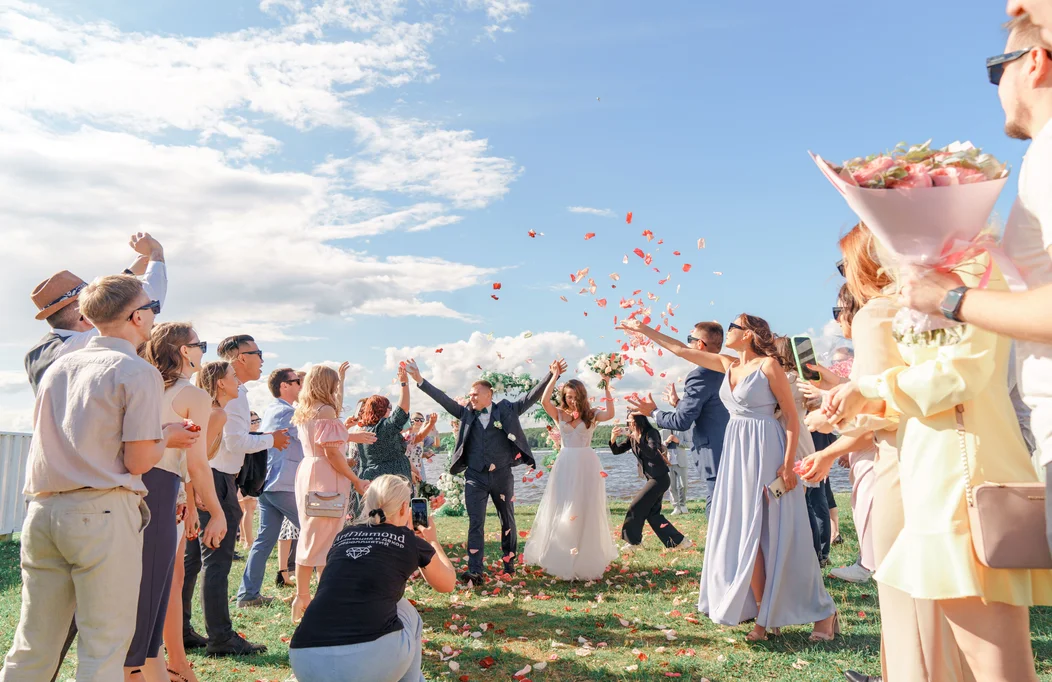
The Beauty of Candid Weddings
Learn how documentary-style photography allows genuine emotions and unforgettable moments to unfold naturally while preserving the authenticity of every wedding celebration.
Recommended
Color, Mood & Visual Emotion
Explore how color palettes, contrast, and tonal balance influence emotion, helping photographers create stronger visual narratives that leave lasting impressions.
Inside an Editorial Photoshoot
Editorial Photography
Emily Carter
7 min read
Editorial, Planning, Creative Direction
Discover how thoughtful planning, creative direction, and collaboration transform an ordinary concept into a compelling editorial photoshoot.
Behind the Lens: Planning the Perfect Shoot
Great editorial photos don’t happen by accident. They’re the result of clear vision, thoughtful planning, and teamwork. Before picking up the camera, define your purpose: Are you telling a fashion story, building a brand, showcasing a product, or creating a portrait? Every decision—from location and wardrobe to lighting—should serve this goal and narrative.
Mood boards help everyone align on the creative direction, but even with a plan, leave room for spontaneous moments. Sometimes the best images come from unplanned opportunities.
Location & Styling
Location shapes mood as much as your subject. A forest, city rooftop, or industrial warehouse each creates a different atmosphere. Consider natural light, accessibility, weather, and background distractions. If possible, scout locations ahead of time to find the best angles and lighting.
Wardrobe, makeup, and colors should fit the concept and not distract from your story. Consistency in styling makes images feel intentional. Communicate with your team so everyone works toward the same vision—even with limited resources, careful choices create a polished look.
Light & Equipment
Light is your most important tool. Morning is soft, midday harsh, golden hour warm, and cloudy days give beautiful diffusion for portraits. Work with available light instead of fighting it.
Preparation prevents headaches. Double-check batteries, memory cards, lenses, and backups before you go. Technical problems can ruin creativity if you’re not ready.
Working With Clients
A relaxed, confident client leads to authentic photos. Spend time building trust before shooting. Encourage natural movement and let confidence build as the session progresses.
Stay Flexible
Even with careful planning, unexpected moments—changing weather, unique reflections, genuine emotion—can lead to the best images. Adapt and let creativity flow beyond the plan.
Finishing Strong
Review your images, note what works, and edit to enhance your original vision. Consistent color and thoughtful cropping help define your style. Each shoot is a chance to learn and grow.
Final Thoughts
Great editorial photos come from vision, planning, flexibility, and teamwork. Preparation sets the stage for creativity and powerful, authentic images.
You can replace your current text with this for a concise version that meets your word limit. Let me know if you want this inserted directly into your document.
Other stories
Continue the journal
Recommended
Inside an Editorial Photoshoot
Discover how thoughtful planning, creative direction, and collaboration transform an ordinary concept into a compelling editorial photoshoot.
Recommended
The Beauty of Candid Weddings
Learn how documentary-style photography allows genuine emotions and unforgettable moments to unfold naturally while preserving the authenticity of every wedding celebration.
Recommended
Color, Mood & Visual Emotion
Explore how color palettes, contrast, and tonal balance influence emotion, helping photographers create stronger visual narratives that leave lasting impressions.
Inside an Editorial Photoshoot
Editorial Photography
Emily Carter
7 min read
Editorial, Planning, Creative Direction
Discover how thoughtful planning, creative direction, and collaboration transform an ordinary concept into a compelling editorial photoshoot.
Behind the Lens: Planning the Perfect Shoot
Great editorial photos don’t happen by accident. They’re the result of clear vision, thoughtful planning, and teamwork. Before picking up the camera, define your purpose: Are you telling a fashion story, building a brand, showcasing a product, or creating a portrait? Every decision—from location and wardrobe to lighting—should serve this goal and narrative.
Mood boards help everyone align on the creative direction, but even with a plan, leave room for spontaneous moments. Sometimes the best images come from unplanned opportunities.
Location & Styling
Location shapes mood as much as your subject. A forest, city rooftop, or industrial warehouse each creates a different atmosphere. Consider natural light, accessibility, weather, and background distractions. If possible, scout locations ahead of time to find the best angles and lighting.
Wardrobe, makeup, and colors should fit the concept and not distract from your story. Consistency in styling makes images feel intentional. Communicate with your team so everyone works toward the same vision—even with limited resources, careful choices create a polished look.
Light & Equipment
Light is your most important tool. Morning is soft, midday harsh, golden hour warm, and cloudy days give beautiful diffusion for portraits. Work with available light instead of fighting it.
Preparation prevents headaches. Double-check batteries, memory cards, lenses, and backups before you go. Technical problems can ruin creativity if you’re not ready.
Working With Clients
A relaxed, confident client leads to authentic photos. Spend time building trust before shooting. Encourage natural movement and let confidence build as the session progresses.
Stay Flexible
Even with careful planning, unexpected moments—changing weather, unique reflections, genuine emotion—can lead to the best images. Adapt and let creativity flow beyond the plan.
Finishing Strong
Review your images, note what works, and edit to enhance your original vision. Consistent color and thoughtful cropping help define your style. Each shoot is a chance to learn and grow.
Final Thoughts
Great editorial photos come from vision, planning, flexibility, and teamwork. Preparation sets the stage for creativity and powerful, authentic images.
You can replace your current text with this for a concise version that meets your word limit. Let me know if you want this inserted directly into your document.
Other stories
Continue the journal
Recommended
Inside an Editorial Photoshoot
Discover how thoughtful planning, creative direction, and collaboration transform an ordinary concept into a compelling editorial photoshoot.
Recommended
The Beauty of Candid Weddings
Learn how documentary-style photography allows genuine emotions and unforgettable moments to unfold naturally while preserving the authenticity of every wedding celebration.
Recommended
Color, Mood & Visual Emotion
Explore how color palettes, contrast, and tonal balance influence emotion, helping photographers create stronger visual narratives that leave lasting impressions.