



+44 20 7946 2814
studio@luxelensvisuals.com
Contact
EMOTION
MOTION
Light
VISUALS SHAPED BY
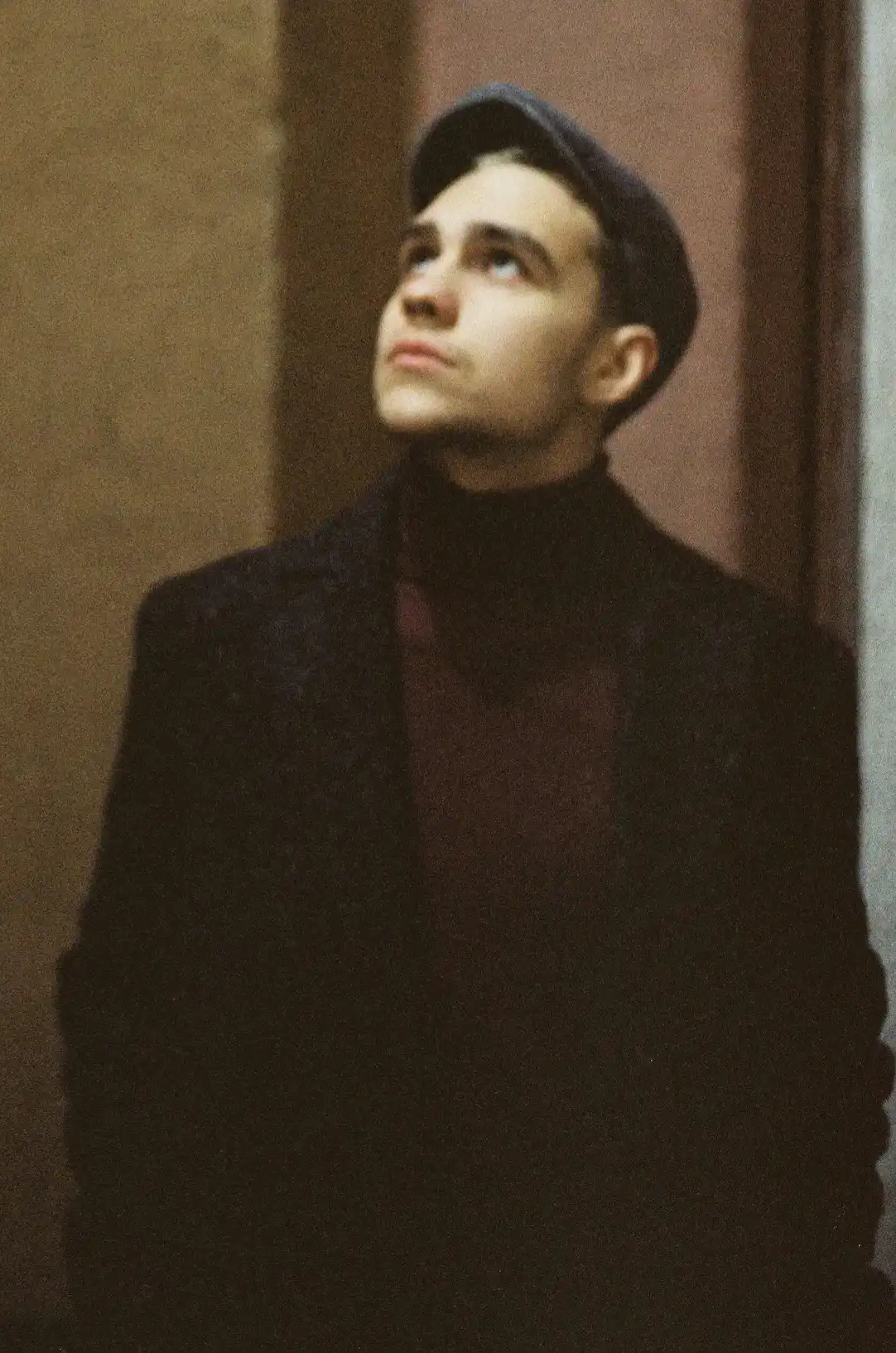
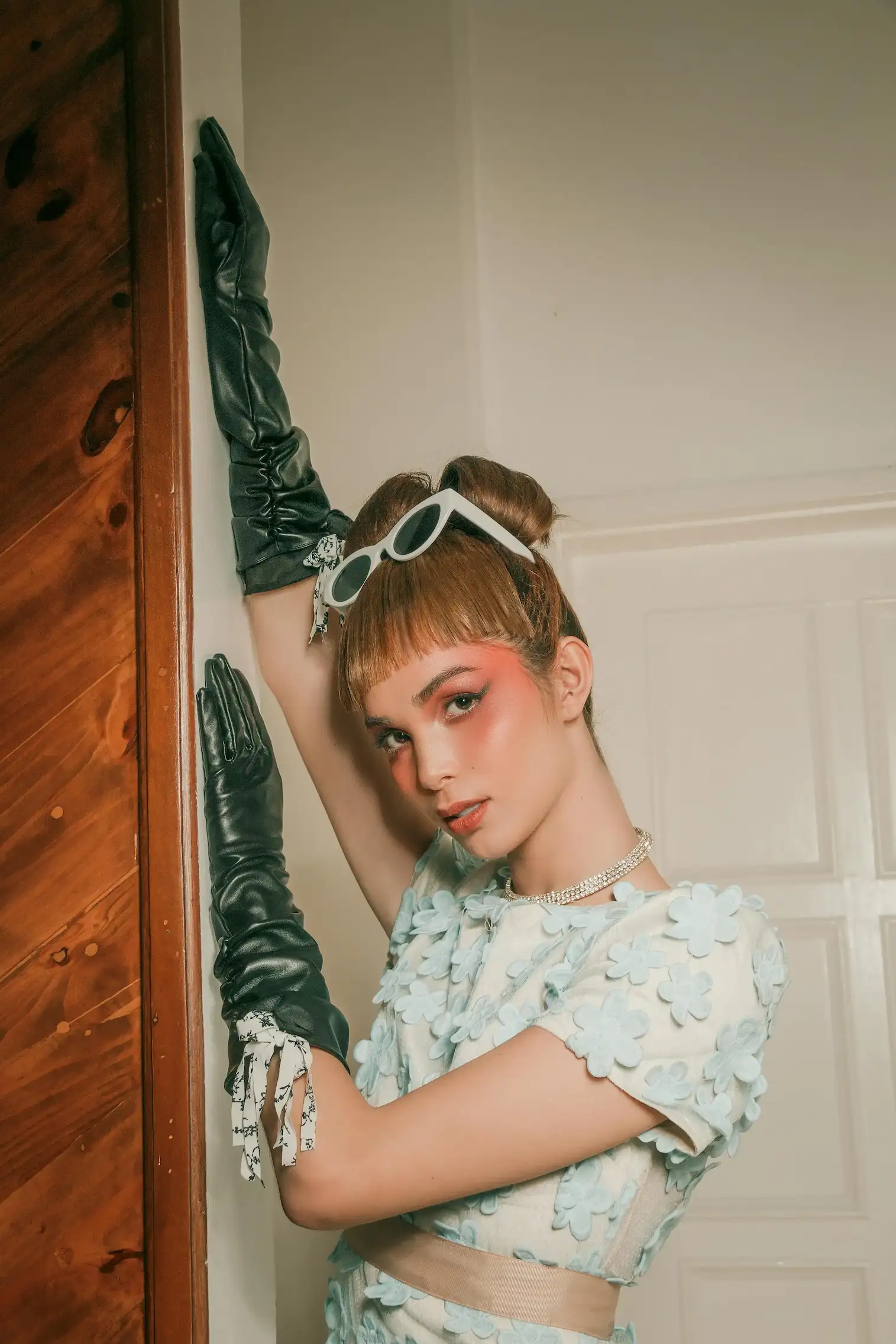
Creating immersive cinematic experiences through photography, editorial composition, and modern visual storytelling designed to leave a lasting impression across every frame.
+44 20 7946 2814
studio@luxelensvisuals.com
Contact
EMOTION
MOTION
Light
VISUALS SHAPED BY
Creating immersive cinematic experiences through photography, editorial composition, and modern visual storytelling designed to leave a lasting impression across every frame.

+44 20 7946 2814
studio@luxelensvisuals.com
Contact
EMOTION
MOTION
Light
VISUALS SHAPED BY
Creating immersive cinematic experiences through photography, editorial composition, and modern visual storytelling designed to leave a lasting impression across every frame.
Mastering Natural Light
Portrait Photography
Emily Carter
6 min read
Portrait Photography, Natural Light, Photography Tips
Natural light is one of the most powerful creative tools in photography. Learn how different lighting conditions can transform mood, emotion, and storytelling while creating portraits that feel authentic and timeless.
Finding Light: How Natural Light Shapes Every Portrait
Great portrait photography begins long before the camera shutter is pressed. It starts with observing light—how it changes throughout the day, how it wraps around a subject, and how it influences emotion within a single frame.
Natural light is unpredictable, yet that unpredictability is what gives portraits their character. Unlike studio lighting, it constantly evolves, offering unique opportunities to create images that feel genuine rather than staged.
The Golden Hour
The hour shortly after sunrise and before sunset is often considered the most beautiful time to photograph people. During this period, sunlight becomes softer, warmer, and more directional, creating flattering shadows and natural highlights.
Rather than overpowering your subject, golden hour light gently enhances facial features while adding warmth and depth to every image.
Overcast Days
Many photographers avoid cloudy weather, but overcast skies provide one of the largest natural softboxes available.
Clouds diffuse sunlight evenly, reducing harsh shadows and allowing skin tones to appear balanced and natural. This makes cloudy conditions perfect for portraits, lifestyle sessions, and editorial photography.
Direction Matters
Light is not only about brightness—it is also about direction.
Front lighting creates clean, evenly exposed portraits.
Side lighting introduces texture and dimension.
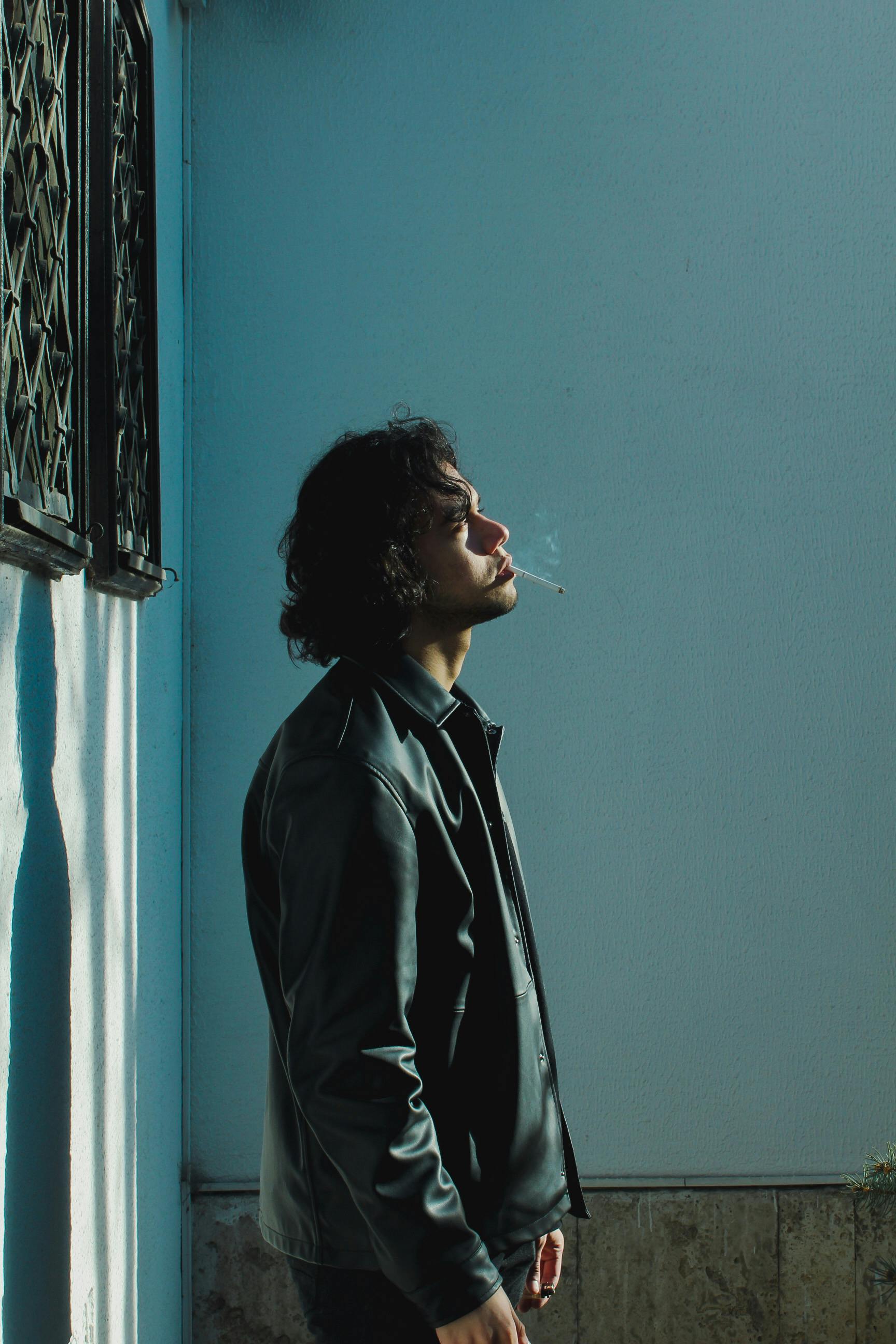
Backlighting creates atmosphere and separates the subject from the background.
Understanding these subtle differences allows photographers to intentionally shape emotion rather than simply documenting a scene.
Observe Before You Shoot
Professional photographers often spend more time observing than pressing the shutter.
Walking around a location, noticing reflections, identifying shadows, and waiting for the perfect moment frequently produces stronger results than shooting continuously without intention.
Patience remains one of photography's most valuable creative skills.
Let Light Tell the Story
Every photograph communicates a feeling.
Soft morning light can suggest calmness and hope.
High-contrast midday sunlight creates energy and drama.
The warm glow of sunset often evokes nostalgia and intimacy.
Choosing the right lighting is ultimately choosing the emotional language of the image.
Final Thoughts
Mastering natural light is not about expensive equipment or complicated techniques. It begins with paying attention to the world around you.
Every sunrise, every cloudy afternoon, and every quiet evening presents a different opportunity to create photographs that connect with people emotionally.
The more carefully you observe light, the more intentionally you will tell stories through your images—and those stories are what viewers remember long after the photograph is taken.
Other stories
Continue the journal

Recommended
Inside an Editorial Photoshoot
Discover how thoughtful planning, creative direction, and collaboration transform an ordinary concept into a compelling editorial photoshoot.
Recommended
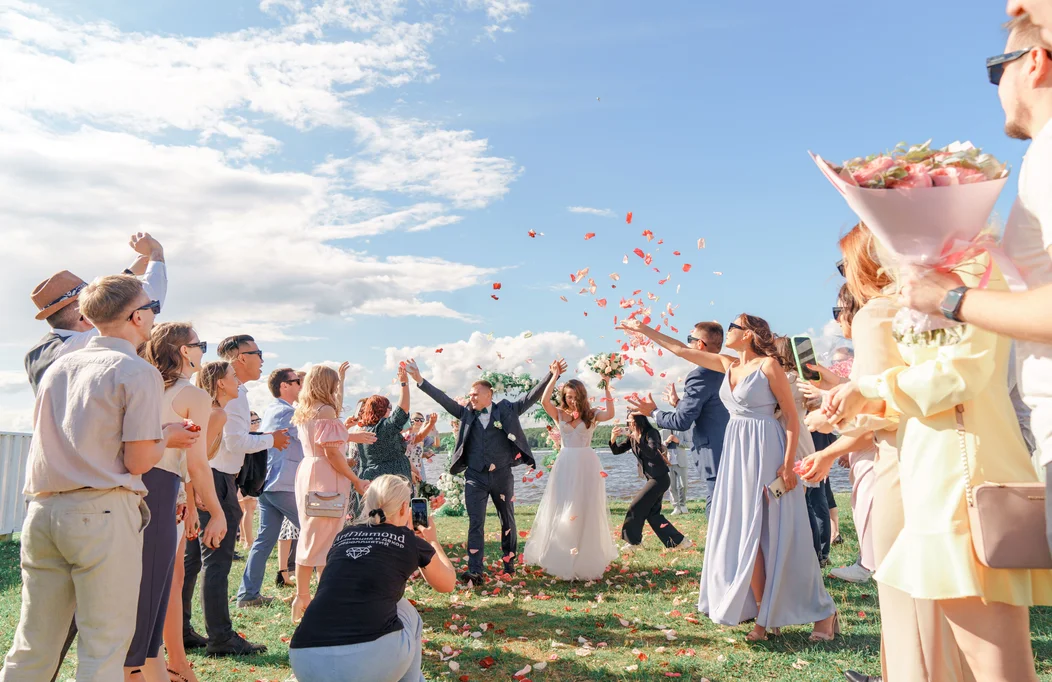
The Beauty of Candid Weddings
Learn how documentary-style photography allows genuine emotions and unforgettable moments to unfold naturally while preserving the authenticity of every wedding celebration.
Recommended
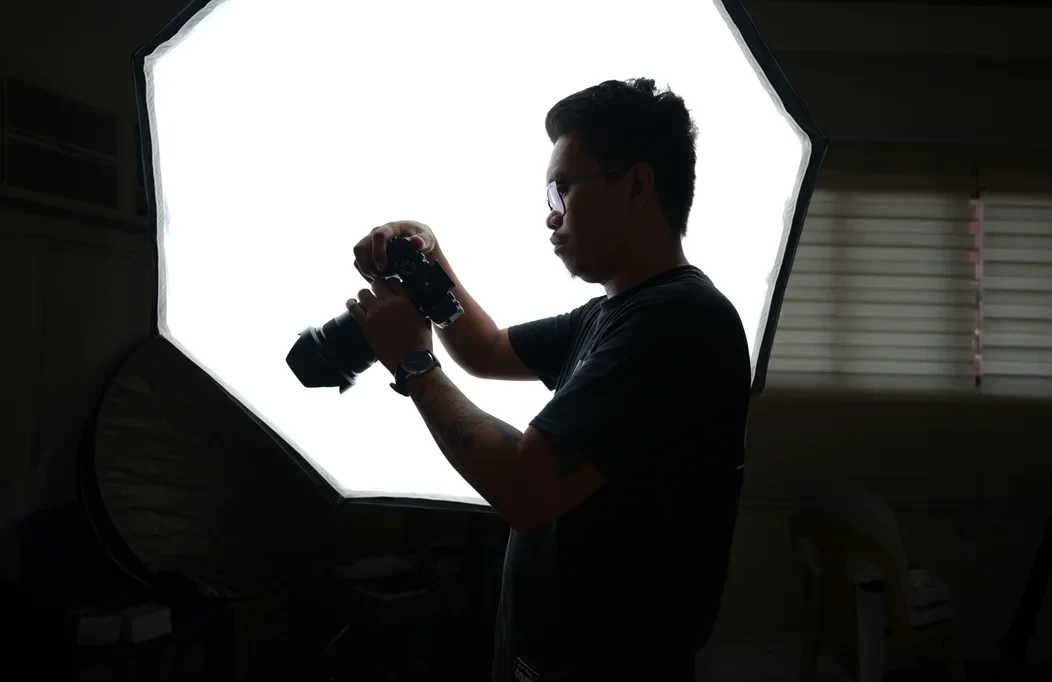
Color, Mood & Visual Emotion
Explore how color palettes, contrast, and tonal balance influence emotion, helping photographers create stronger visual narratives that leave lasting impressions.
Mastering Natural Light
Portrait Photography
Emily Carter
6 min read
Portrait Photography, Natural Light, Photography Tips
Natural light is one of the most powerful creative tools in photography. Learn how different lighting conditions can transform mood, emotion, and storytelling while creating portraits that feel authentic and timeless.
Finding Light: How Natural Light Shapes Every Portrait
Great portrait photography begins long before the camera shutter is pressed. It starts with observing light—how it changes throughout the day, how it wraps around a subject, and how it influences emotion within a single frame.
Natural light is unpredictable, yet that unpredictability is what gives portraits their character. Unlike studio lighting, it constantly evolves, offering unique opportunities to create images that feel genuine rather than staged.
The Golden Hour
The hour shortly after sunrise and before sunset is often considered the most beautiful time to photograph people. During this period, sunlight becomes softer, warmer, and more directional, creating flattering shadows and natural highlights.
Rather than overpowering your subject, golden hour light gently enhances facial features while adding warmth and depth to every image.
Overcast Days
Many photographers avoid cloudy weather, but overcast skies provide one of the largest natural softboxes available.
Clouds diffuse sunlight evenly, reducing harsh shadows and allowing skin tones to appear balanced and natural. This makes cloudy conditions perfect for portraits, lifestyle sessions, and editorial photography.
Direction Matters
Light is not only about brightness—it is also about direction.
Front lighting creates clean, evenly exposed portraits.
Side lighting introduces texture and dimension.
Backlighting creates atmosphere and separates the subject from the background.
Understanding these subtle differences allows photographers to intentionally shape emotion rather than simply documenting a scene.
Observe Before You Shoot
Professional photographers often spend more time observing than pressing the shutter.
Walking around a location, noticing reflections, identifying shadows, and waiting for the perfect moment frequently produces stronger results than shooting continuously without intention.
Patience remains one of photography's most valuable creative skills.
Let Light Tell the Story
Every photograph communicates a feeling.
Soft morning light can suggest calmness and hope.
High-contrast midday sunlight creates energy and drama.
The warm glow of sunset often evokes nostalgia and intimacy.
Choosing the right lighting is ultimately choosing the emotional language of the image.
Final Thoughts
Mastering natural light is not about expensive equipment or complicated techniques. It begins with paying attention to the world around you.
Every sunrise, every cloudy afternoon, and every quiet evening presents a different opportunity to create photographs that connect with people emotionally.
The more carefully you observe light, the more intentionally you will tell stories through your images—and those stories are what viewers remember long after the photograph is taken.
Other stories
Continue the journal
Recommended
Inside an Editorial Photoshoot
Discover how thoughtful planning, creative direction, and collaboration transform an ordinary concept into a compelling editorial photoshoot.
Recommended
The Beauty of Candid Weddings
Learn how documentary-style photography allows genuine emotions and unforgettable moments to unfold naturally while preserving the authenticity of every wedding celebration.
Recommended
Color, Mood & Visual Emotion
Explore how color palettes, contrast, and tonal balance influence emotion, helping photographers create stronger visual narratives that leave lasting impressions.
Mastering Natural Light
Portrait Photography
Emily Carter
6 min read
Portrait Photography, Natural Light, Photography Tips
Natural light is one of the most powerful creative tools in photography. Learn how different lighting conditions can transform mood, emotion, and storytelling while creating portraits that feel authentic and timeless.
Finding Light: How Natural Light Shapes Every Portrait
Great portrait photography begins long before the camera shutter is pressed. It starts with observing light—how it changes throughout the day, how it wraps around a subject, and how it influences emotion within a single frame.
Natural light is unpredictable, yet that unpredictability is what gives portraits their character. Unlike studio lighting, it constantly evolves, offering unique opportunities to create images that feel genuine rather than staged.
The Golden Hour
The hour shortly after sunrise and before sunset is often considered the most beautiful time to photograph people. During this period, sunlight becomes softer, warmer, and more directional, creating flattering shadows and natural highlights.
Rather than overpowering your subject, golden hour light gently enhances facial features while adding warmth and depth to every image.
Overcast Days
Many photographers avoid cloudy weather, but overcast skies provide one of the largest natural softboxes available.
Clouds diffuse sunlight evenly, reducing harsh shadows and allowing skin tones to appear balanced and natural. This makes cloudy conditions perfect for portraits, lifestyle sessions, and editorial photography.
Direction Matters
Light is not only about brightness—it is also about direction.
Front lighting creates clean, evenly exposed portraits.
Side lighting introduces texture and dimension.
Backlighting creates atmosphere and separates the subject from the background.
Understanding these subtle differences allows photographers to intentionally shape emotion rather than simply documenting a scene.
Observe Before You Shoot
Professional photographers often spend more time observing than pressing the shutter.
Walking around a location, noticing reflections, identifying shadows, and waiting for the perfect moment frequently produces stronger results than shooting continuously without intention.
Patience remains one of photography's most valuable creative skills.
Let Light Tell the Story
Every photograph communicates a feeling.
Soft morning light can suggest calmness and hope.
High-contrast midday sunlight creates energy and drama.
The warm glow of sunset often evokes nostalgia and intimacy.
Choosing the right lighting is ultimately choosing the emotional language of the image.
Final Thoughts
Mastering natural light is not about expensive equipment or complicated techniques. It begins with paying attention to the world around you.
Every sunrise, every cloudy afternoon, and every quiet evening presents a different opportunity to create photographs that connect with people emotionally.
The more carefully you observe light, the more intentionally you will tell stories through your images—and those stories are what viewers remember long after the photograph is taken.
Other stories
Continue the journal
Recommended
Inside an Editorial Photoshoot
Discover how thoughtful planning, creative direction, and collaboration transform an ordinary concept into a compelling editorial photoshoot.
Recommended
The Beauty of Candid Weddings
Learn how documentary-style photography allows genuine emotions and unforgettable moments to unfold naturally while preserving the authenticity of every wedding celebration.
Recommended
Color, Mood & Visual Emotion
Explore how color palettes, contrast, and tonal balance influence emotion, helping photographers create stronger visual narratives that leave lasting impressions.